
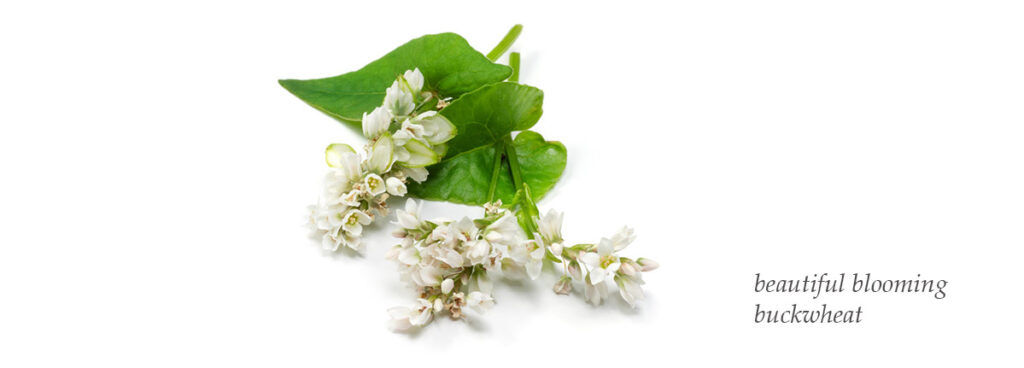
Buckwheat Hulls Pillow: Benefits & Natural Sleep
Buckwheat hulls pillow, or a spelt hulls pillow is an organic and natural pillow to sleep on. Simple, beautiful and healthy. Yes, just a pillow, you may say, not much to talk about. However, you spend 1/3 of your life sleeping, so better choose the best organic buckwheat pillow. This simple pillow may be more powerful than we imagine and a key to your life and health. We will explore such organic pillows are crucial to your life. We have overwhelming technology, we fly to the Moon and send rockets to Mars, yet, more and more people experience serious illness in their lives. According to the Institute for health metrics and evaluation, people live longer, but at the same time they spend more years in poor health. What is going on?
The History of Plastics and their environmental impact
Inflammation and disease are spreading like a virus, despite our “phenomenal civilization”. In 1907 our world started changing, and it was not for the better. It did not look like this at the beginning.
The solutions of today and the problems of tomorrow, said famously John Dewey, an American philosopher and educator. (he lived in the USA from 1859 to 1952, and lectured at the University of New York : the Columbia University and in Chicago)
1907 was a year, a Belgian chemist invented plastics. Leo Baekeland did it by coincidence, as he was searching for a shellac substitute. The spread of plastics into many different forms has been vast. It grew so fast, to a situation in 2026, when companies use over 10 000 different chemical substances to produce plastics. It has been very practical since the beginning in 1907. Yet, as we now know, in 2026, it is also highly dangerous to human health and the entire nature, as plastics turn into microplastics and nanoplastics, which are simply speaks: dangerous to our health and the entire planet. The more we know, the more we want to go back to simple and healthy solutions like for example a buckwheat hulls pillow.
Microplastics are the fragments of plastic up to 5 millimeters long. According to Stanford Medicine, every year from 10 to 40 million metric tons of the particles are released in to the environment.
Nanoplastics are the particles 1 micrometer in size. 1 micrometer (1 µm) is one thousandth of a millimeter. Human hair is from 50 to 100 (1 µm) thick.
The vast expansion of small particles that create big dangers
Plastic is almost everywhere. It impacts our health and the health of ecosystem. There are over 10 000 types of different chemicals the companies use to produce different types of plastics. 2/3 of these substances have not been tested for safety, and over 2 400 are recognized as potentially toxic (Stanford Medicine). The scientists find it in human tissues and examine the impact it has on health. First and foremost: the results are not optimistic.
“The particles have been found in multiple organs and tissues, including the brain, testicles, heart, stomach, lymph nodes and placenta. They’ve also been detected in urine, breastmilk, semen and meconium, which is a newborn’s first stool.” Stanford medicine, 2025
The Impact of Microplastics on Human Health and the Environment
-
- Inflammation, higher risk of heart attack, stroke and death.
- weakened immune system
- unhealthy metabolic function
- damaged tissues and cells
- abnormal organ development
- weakened digestive, reproductive and respiratory health (according to the scholars at the University of California). They also linked microplastics in human body to lung and colon cancer.
The scientists found that microplastics make birds and fish more susceptible to infections. Many animals die due to plastics microplastics pollution. The problem is, that if we do not stop the production of the plastics around the world, it is predicted that the number of millions of metric tons released into atmosphere may double by the year 2040.
Why is it so important to know about the impact plastics have on your life? Because they are not going anywhere. At least for now. The Microplastics and nanoplastics are almost everywhere. In our oceans, forests, water and air. In human and animal tissues. The key is to find a way to accumulate less of it and remove it from the body. Plus, to help the environment do it as well. In my own life, I believe that everything is possible. And through energy it truly is. We just need to know how. Anyway, let’s focus on the now, and find out how to help ourselves in this time and space.
Natural Alternatives to Synthetic Surrounding
There is a way to start minimizing its alarming and not yet fully understood impact on our lives. And buckwheat hulls pillow is among the solutions. Each and every piece that is nature born, natural, organic, in your immediate environment, makes the amount of plastics smaller. The approach of panic in the face of all the knowledge that is emerging about the effects of the plastics on our health will not help. What does help is a step by step approach in being conscious of what you eat, drink, wear and buy.
Natural Bedding Revolution
We spend 1/3 of our lives sleeping. Scientists even say, that sleeping is more important than the time you are awake. It is associated with the number of the processes happening at that time in our bodies. Both physical and mental processes take place. The brain is undergoing its crucial cleansing procedures through its own glymphatic system (We wrote about it in our thorough articles “Planning detox? Know how to get good sleep first.” and “Detox your brain like a pro.“).
If 1/3 of your life is spent in one specific setting where you sleep, it may make your immediate environment much more healthy and free from plastics, microplastics and nanoplastics if you changed it into organic, one piece after another. It does not need to be created by our company, but as pure as possible.
Organic Sollutions
Why is it important to choose organic? Why are the Japanese so focused on the buckwheat pillow and a mattresses? The plastics tsunami is one huge challenge our world is facing. There are many more. Like the pesticides, herbicides that are added to cotton on all of the stages of its cultivation and production. We wrote about it in our vast and profoundly important articles like “100% cotton a big lie“. Among the chemicals added are those that are so deadly, that one drop could kill a human being if it fell on the skin. And, it is added to growing cotton. All of this is created to produce more things to feed the hungry world. Yet, these activities are degrading our health and the natural world.
The solution is to start making informed choices, like choosing organic products. In this article we will focus and look into buckwheat and its uses, also its possie allergic reactions that may occuer.
Buckwheat Pillow Benefits
People in the modern society are highly curious about buckwheat. Buckwheat is a triangular shaped seed that delivers various benefits. Although the name sounds ‘wheat’, buckwheat is not a member of the wheat family. Contrary to the common wrongful assumption, buckwheat is not a grain; it is seed (of a fruit). Buckwheat comes with a very sturdy and lasting shell which will be removed before the seed is used.
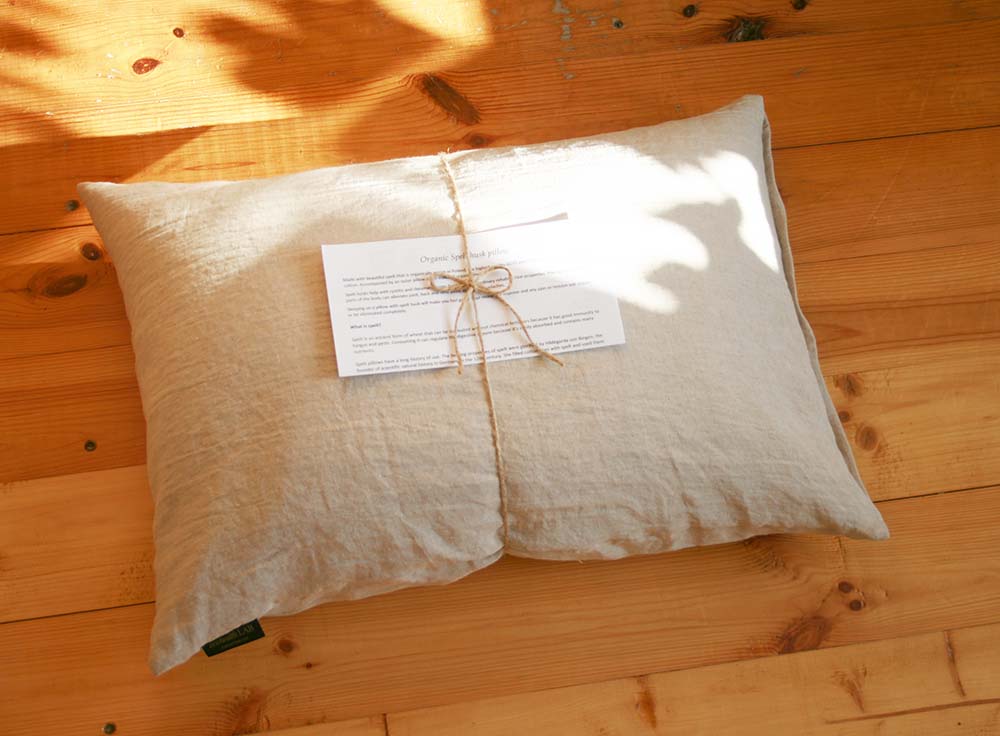
Buckwheat hulls pillow
Buckwheat is a popular crop in many countries particular in Europe and the USA. The popularity of the particular crop increased massively after 1970 when nutrition experts revealed its health benefits.
Nutritional facts of buckwheat
Since buckwheat is not actually ‘wheat’, it has remarkably low gluten levels. This is why buckwheat is recommended as an extremely effective substitute for those who don’t tolerate gluten. It works as a perfect alternative to rise. Also, ground buckwheat is an alternative to flour. Buckwheat is high in nutrients; studies show that buckwheat contains more fiber than oatmeal.

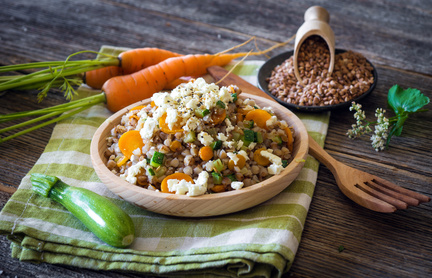
buckwheat recipes
Both cooked and roasted buckwheat contains considerable amount of nutrients. For instance, a single cup of roasted buckwheat (Kasha) contains 154 calories, 6g of protein, 1g of fat, 33 g of carbohydrates, 5g of dietary fiber and various other nutrients. In general, roasted buckwheat is richer in both dietary fibers and carbohydrates. When it comes to cooked buckwheat, each cup contains 85mg of magnesium, 0.25 mg of copper, 117 mg of prosperous, 0.68 mg of manganese and various other essentials minerals.
buckwheat recipes
Health benefits of buckwheat are numerous. Both cooked and roasted buckwheat can provide dietary fibers that are healthy for the human digestive system. These fibers are capable of helping you to help weight management and have a control about blood sugar and cholesterol levels. Buckwheat is considered to be one of the most nutritious and healthiest foods. If you add more buckwheat to your diet on regular basis, you can expect various health benefits.
Try it!
Heath benefits of buckwheat
Other than the nutritional facts, there are various other health benefits of buckwheat. Buckwheat shells (often called buckwheat hulls) are becoming increasingly popular as a filling for mattresses, pillows and neck pillows. Buckwheat filling is considered to be one of the healthiest options in the modern world.
Benefits of buckwheat pillows are numerous. Since buckwheat filling consists of organic buckwheat hulls that are perfectly cleaned using natural ways, they are:
- completely safe for human use (unlike regular synthetic fillings).
- Buckwheat hull pillows and mattresses don’t retain memory;
- they adjust according to your neck and head position every time you sleep on them.
- Individual shells (hulls) gently massage your body and stimulate the muscles.
- When it comes to more buckwheat pillow benefits, they offer relief from migraine, neck pain and many other issues.

organic buckwheat mattress
There are various buckwheat mattress benefits compared to conventional mattresses; they are:
- non-toxic,
- anti-allergic
- pest resistant by nature.
Generally, both pillows and mattresses with buckwheat hulls filling have longer lifespan; you don’t want to replace them frequently just like you have to do with conventional products.
Try a buckwheat husk mattress or a buckwheat hulls pillow now! 🙂 Visit our store now! 🙂
Follow the link EcoHealthLab
Find out more about a buckwheat mattress by checking out our popular mattresses, created to help you enhance your health. To read more, click here.
Are you interested in the Healing Power of Plants? Discover more by reading other articles in the “Healing Power of Plants” series!



Hello Martyna, I love your website! I grow Buckwheat on my organic farm. I dehull the bukwheat then make either a “Grit Like” cereal or make a fancy white flour on my stone mill. Both tastes great. My questions to you are: How does hull removal affect the cereal and flour health benefits? What health benefits could one expect from using “stone ground” buckwheat hulls sprinkled on various foods or salads? Thank you, Vincent
Dear Vincent
Thank you so much for your kind words and questions. I appreciate them and it feels great to know that you love our website. It is calm, like I feel, and hope to send it to others.
It is great to know that you grow buckwheat on your farm. Where are you located?
1. How does hull removal affect the cereal and flour health benefits?
The hull protects the inner grain, and when it is removed and the grain is ground, it opens, and undergoes oxidation processes. The moment of opening the grain is crucial, as this is when it starts to lose its nutrients and minerals. It does not happen fast, but the specialists say that the oxidation really starts to speed up after 6 months. This is what is important, to remember about the nutrients and minerals contained in flakes and flour and the time since the entire grain was opened.
Removing the hull does not start the oxidation processes, because the inner grain is still in its integrity.
2. What health benefits could one expect from using “stone ground” buckwheat hulls sprinkled on various food or salads?
They contain rutin (a natural compound that strengthens the immune system, and is an antioxidant. It slows down the oxidation of vitamin C, has anti-inflammatory properties), tannins (compounds with anti-inflammatory properties that inhibit the growth of bacteria and mites), , cellulose-lignin compounds, organic acids and mineral salts. Moreover it contains fiber (81,5 grams for 100 grams of hulls: which has a positive effect on the digestive system and cleanses the intestines), vitamins (silicon, zinc, iron, copper, selenium, calcium, manganese, potassium or magnesium, contains niacin (vitamin B3), folic acid (vitamin B9), and other B vitamins. It also contains vitamin E) and bioelements. It protects against free radicals, which is important for longevity and cancer prevention.
Sending the best wishes
thankn you
Martyna
How do you dehull the buckwheat?
I have a Spice company in PA. I make blends that contain Buckwheat Hulls Ground for many years, are they edible? Please help.
Dear Tina
Buckwheat hulls ground is edible. But its health value depends on the buckwheat hulls source. If it is organic, it is very healthy, thanks to the content of B vitamins (B1, B2, B6) and vitamins PP and P. It can be widely used with positive effects on the body. Moreover, it contains minerals such as zinc, copper, iron, manganese, potassium, phosphorus and bromine, as well as cobalt and platinum, which are extremely important in the proper functioning of many of our organs.
We would love to see your company, and we wish you luck with it!
Be well
Martyna Bizdra