What is organic buckwheat and organic buckwheat hulls?
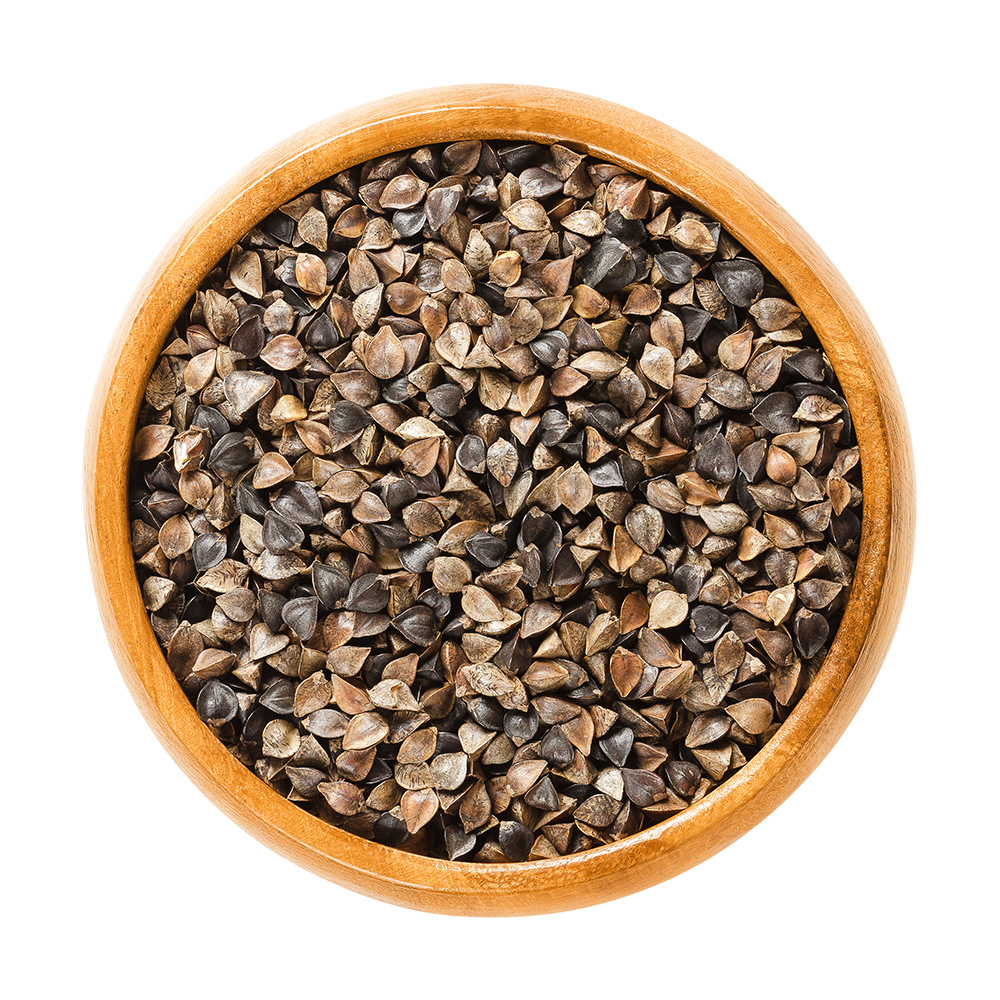
Buckwheat, in simplest terms, is a plant that produces triangular shaped seeds. It is also a cover crop (cover crops manage soil erosion). Many people, particularly within the Asian region, treat this crop as a domesticated plant. However, the largest production of buckwheat comes largely from European and North American countries. Although, as the name suggests, buckwheat is a variety of ‘wheat’, it is more related to sorrel or rhubarb; buckwheat is not a grass. The seeds of buckwheat plant are a food item and food experts claim that this product is rich in carbs and many other nutrients.
Over the past several decades, the cultivation of this specific plant (grain) has significantly decreased and other grain varieties have increased their production with the introduction of chemical fertilizers. Buckwheat is a versatile plant. We use its flowers (thanks to their beauty), its seeds, and organic buckwheat hulls. We even have buckwheat honey, which is one of the greatest quality types of hones created by the bees!
History of Buckwheat
Buckwheat is majorly produced in Northern European Region and it is native to the same region. However, it can be seen in Asia too. During the early years, until 13th century, this crop was mainly cultivated in China. It is believed that buckwheat spread to Europe and Russia during the latter part of the 14th century. According to the historical sources, this product came to the United States by 17th century, and to Russia and Poland as well; buckwheat is included in their traditional recipes. As of now, we will find buckwheat in countries like Canada, the USA etc.
What are the benefits of eating buckwheat?
According to the experts, buckwheat is rich in manganese. Apart from that, it consists of substances such as copper, dietary fiber and even prosperous. It is considered to be a grain that promotes your overall health because of the rutin and quercetin. On top of all those elements, it consists of essential amino acids and lysine.
Find out more buckwheat recipes by visiting the entire category on our blog, where you will find posts like:
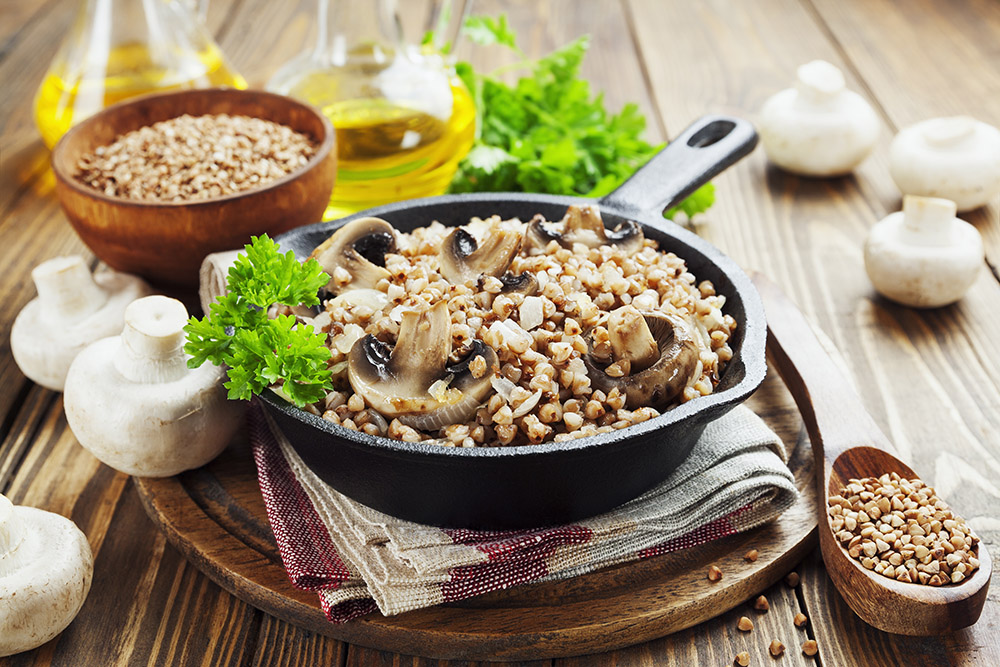
How to cook a delicious organic buckwheat meal: 3 buckwheat recipes
Benefits of sleeping on buckwheat hulls
The shells (husks) of buckwheat grain are used for filling the pillows and mattresses. As of today, buckwheat filling is considered to be a very healthy option for pillows and mattresses. Modern health experts claim that buckwheat hulls filling can deliver you a variety of benefits as mentioned below.
- Organic buckwheat hulls are hypoallergenic. They are completely free of chemical substances, dust and microorganisms.
- Organic buckwheat hulls filling can gently massage the muscles of your body when you sleep on them
- Buckwheat filling is perfectly breathable and they don’t retain heat. It makes very comfortable pillows and mattresses.
- Pillows and mattresses that are filled with buckwheat hulls can promote better posture while you are asleep. This is a great option for those who need to sleep better.
When you purchase a mattress or pillow filled with buckwheat hulls, you should go for a GOTS certified product. Such certification guarantees that you get a completely organic, human friendly and ecofriendly product.
Is buckwheat contaminated with pesticides?
Among the cultivated plants, buckwheat has a special place. It is an easy to grow flowering plant, and because of that it does not need any pesticides during its growth. However, there is one time in its cultivation history, when a highly toxic chemical substance is used. We are talking here about glyphosate. The farmers who cultivate non-organic buckwheat use the pesticide to dry the plant and receive dry seeds.
That is why, if you have a choice, go for organic buckwheat and organic buckwheat hulls.