

Cotton facts and figures they do not want you to know
Historical evidence suggests that human beings started using cotton over 7000 years. Interestingly, the historians believe that cotton was first used in Mexico. As of today, cotton is still among the most widely used fibers in the world. In general, it is a very comfortable and durable fiber that offers a great value for the money. However, if you dig deep into cotton facts and figures, you might realize that cotton that farmers produce conventionally is a not-so-friendly fabric. Let’s compare organic cotton vs conventional cotton in this article.
What’s bad about conventional cotton
-
Pesticides
According to the sources, global cotton cultivation spans across more than 35 million hectares. In general, cotton in very much susceptible to pest attacks. Different types of pests prefer a cotton plant as it is a delicious source of food for them. It is no secret that cotton farmers use massive amounts of strong chemicals (pesticides) to protect their crops from these pests. These chemicals can pollute the surface of the soil as the immediate effect. Making things worse, these pesticides can penetrate the soil and contaminate groundwater. Apart from that, people who work in these cotton farms may experience dangerous health issues as they constantly expose themselves to the chemicals.
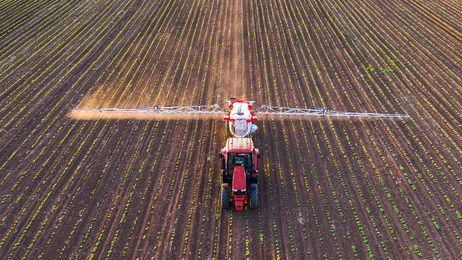
cotton production
One of the most widely used pesticides in conventional cotton cultivations is Aldicarb. In fact, this product is rated as an extremely poisonous pesticide to both humans and other species. Share on X Despite the high toxic levels, Aldicarb is the preferred pesticide of cotton farmers in 25 countries.
-
Herbicides
The use of herbicides is another common practice when it comes to conventional cotton farming. Almost all the non-organic cotton farmers use herbicides that are based on glyphosate. This substance will stay in the environment and eventually can cause adverse effects on aquatic and wild life.
-
Synthetic fertilizers
Conventional cotton farmers use massive amounts of synthetic fertilizers to boost their yield. A significant portion of these fertilizers reach water sources and waterways causing numerous environmental issues. These cotton facts and figures are hidden from you when you see a “100% cotton” label on a t-shirt. In fact the label fools you to believing that the shirt is pure as it is just cotton. Yet, it contains pollutants and toxins harmful to you and nature. Read more about it in our thorough article “100% cotton, a big lie”
Then, what is an organic cotton fabric?
Some cotton enthusiasts may ask a question “what is the organic cotton fabric” then? In simplest terms, organic cotton is the cotton that grows without using synthetic chemical pesticides, weedicides and fertilizers. Moreover, organic cotton plants are not genetically modified.
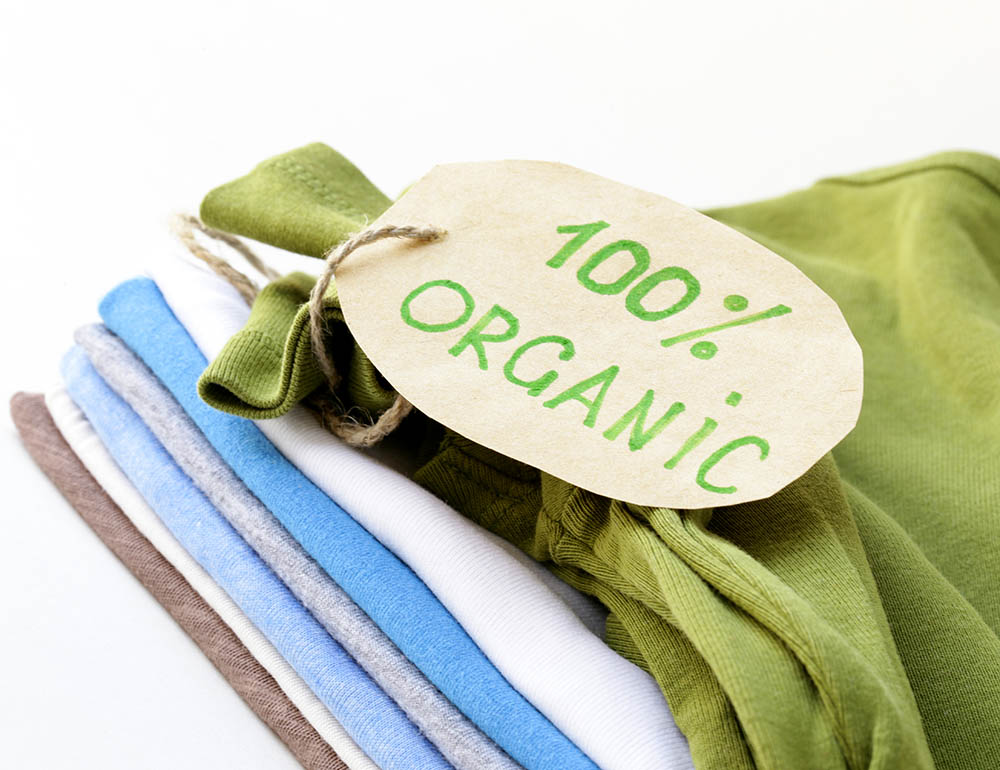
organic cotton
Why is organic cotton better?
In a nutshell, here’s why organic cotton is better.
- Obviously, it is exceptionally good for the environment. Organic cotton farmers don’t use synthetic fertilizers, chemical pesticides & weedicides during cultivation and strong bleaching chemicals during the processing.
- Organic cotton products are healthy for your skin as they don’t contain any allergens or harmful chemical substances. That is why cotton products such as organic bedsheets are ideal for those who have sensitive skins and respiratory problems.
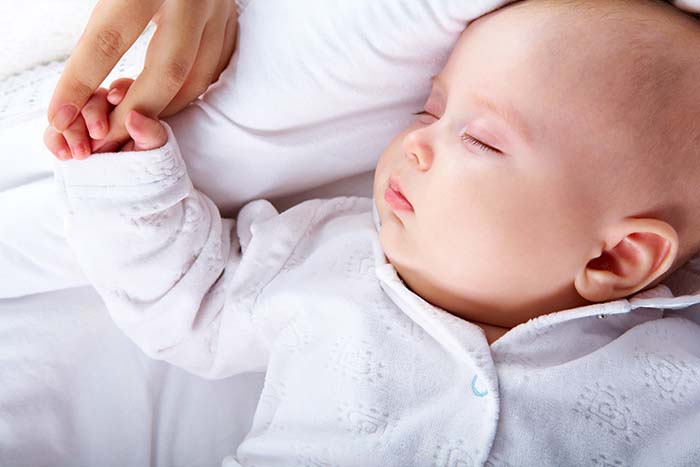
organic cotton for human skin
- Organic cotton is perfectly breathable and it is capable of rejuvenating the body when you wake up.
- As a material, organic cotton itself doesn’t contain any toxic waste. Even during the cultivation process, it doesn’t leave any toxic substances to the environment.
- Organic crops support local communities and growers economically and socially
- During the cultivation, organic cotton doesn’t create any negative or harmful impacts on the farmers.

Organic products, are the only way to go
I know it may sound difficult to achieve at once, but step by step it is doable. When comparing organic cotton vs conventional cotton, it is easy to understand that organic cotton stays well ahead of conventional cotton on many fronts. It is quite obvious when discovering cotton facts and figures. You will not only have a good night’s sleep when choosing organic pillows and mattresses, but also support your own body and live longer. Your body is your vehicle. Read more about the huge difference between the organic mattresses and the regular once, and how they impact your sleep and health in our article
“Organic mattresses, the only way to go“
See our beautiful Organic pillows and mattresses, that can help you live a healthy life.
Reference links


Leave a Reply